
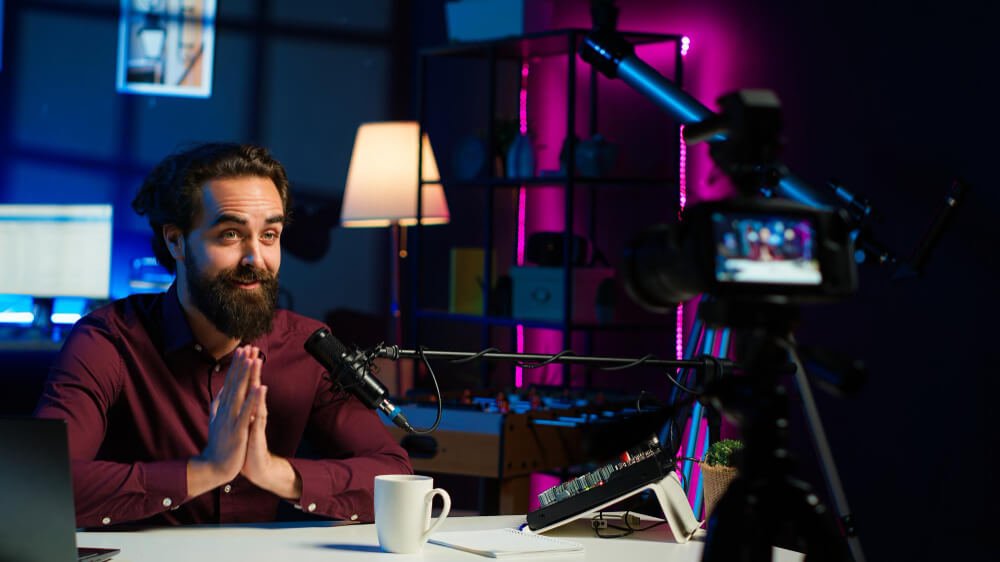
Premium video content is the result of a disciplined process that balances creativity, storytelling, and technical expertise. Every frame, sequence, and transition is deliberate, designed to engage viewers while communicating a brand’s narrative. High-quality videos do not happen by chance—they emerge from careful planning, conceptual exploration, and rigorous execution. Understanding the production process highlights how strategy, artistry, and technology converge to produce content that resonates, captivates, and leaves a lasting impression.
Concept Development and Storyboarding
Every successful video begins with a concept. Storyboarding transforms abstract ideas into structured visual narratives. This stage involves defining key messages, plot progression, visual motifs, and pacing. By mapping scenes in advance, creators ensure narrative clarity, visual coherence, and alignment with communication goals. Storyboarding also allows collaboration between creative teams, directors, and clients, creating a shared vision before production begins. A strong concept serves as the blueprint for every subsequent creative and technical decision.
Scriptwriting and Narrative Structure
A compelling script is the foundation of premium video content. It establishes tone, rhythm, and storytelling arcs, ensuring that information is delivered clearly and engagingly. Scriptwriting integrates technical details, messaging priorities, and audience perspective to create a seamless narrative flow. Dialogue, narration, and visual cues are coordinated to enhance comprehension and emotional resonance. Well-structured scripts allow creative teams to translate ideas into visuals efficiently while maintaining narrative integrity across multiple sequences.
Design and Visual Development
Design defines the visual language of the video, including color palettes, typography, characters, and environments. Visual development aligns with brand identity, ensuring that every element communicates consistently. Animators, illustrators, and designers collaborate to create assets that are both aesthetically compelling and functionally clear. This stage emphasizes visual hierarchy, motion clarity, and emotional tone, ensuring that visuals support the narrative rather than compete with it.
Animation and Motion Dynamics
Animation breathes life into static visuals. Motion adds emphasis, guides attention, and conveys complex ideas efficiently. Whether through 2D, 3D, or hybrid techniques, animation requires careful timing, fluid transitions, and attention to detail. Movement is choreographed to match narrative beats, highlight key information, and evoke emotional responses. The quality of animation often defines the perceived professionalism and engagement potential of the video, making this phase critical to premium content creation.
Sound Design and Music Integration
Sound elevates visual storytelling, creating mood, rhythm, and emotional depth. Background scores, sound effects, and voiceovers are carefully synchronized with visuals to enhance comprehension and engagement. Audio design reinforces key moments, guides audience attention, and strengthens narrative impact. Proper integration of sound ensures that premium videos communicate holistically, appealing to multiple senses and providing a richer viewing experience.
Post-Production and Refinement
Post-production involves editing, color grading, compositing, and fine-tuning animation and sound. This stage ensures seamless transitions, consistent visual quality, and narrative cohesion. Refinement includes reviewing pacing, adjusting timing, and enhancing clarity to maintain viewer engagement. Attention to detail during post-production elevates the final video from functional to premium, ensuring that the story is not only told but experienced fully.
Quality Assurance and Feedback Loops
Before release, videos undergo rigorous quality checks to ensure technical accuracy, brand consistency, and storytelling effectiveness. Feedback loops allow iterative improvements, aligning the final output with creative objectives and audience expectations. This process reduces errors, improves clarity, and guarantees that every element contributes to a polished, professional presentation. Quality assurance ensures the video delivers maximum impact upon release.
Distribution and Audience Engagement
Premium video content is designed to perform across multiple platforms and contexts. Understanding where and how audiences will engage with the video informs format, length, and technical specifications. Optimizing content for digital, social, presentation, or broadcast environments ensures that the narrative remains effective regardless of platform. Distribution strategy enhances reach, encourages interaction, and reinforces the video’s role in a larger communication ecosystem.
Conclusion: The Craft of Premium Video
Creating premium video content is a synthesis of strategy, creativity, and technical precision. Every stage—from concept development to distribution—is an opportunity to enhance clarity, engagement, and narrative impact. By meticulously planning and executing each element, video creators transform abstract ideas into experiences that captivate audiences and communicate meaning effectively. Premium videos are not just seen—they are understood, remembered, and felt, reflecting the artistry and expertise behind every frame.