
Animation is a versatile tool, but selecting the appropriate style is crucial for effectively communicating ideas. 2D, 3D, and whiteboard animations each offer distinct advantages depending on narrative goals, complexity of concepts, and audience preferences. Evaluating the strengths of each medium allows creators to design visuals that are both compelling and easily understood. The choice of animation style influences pacing, engagement, and emotional resonance, ultimately determining how well a story connects with its audience.
The Strength of 2D Animation
2D animation emphasizes simplicity and clarity. Its flat, illustrative style allows for quick production, easy adaptation, and visual focus on key messages. This format excels at storytelling where conceptual clarity and streamlined visuals are priorities. Characters, icons, and symbolic graphics can be animated to convey ideas efficiently without overwhelming the viewer. 2D animation remains effective for explainer videos, educational content, and brand narratives that require concise communication paired with visually engaging design.
The Depth of 3D Animation
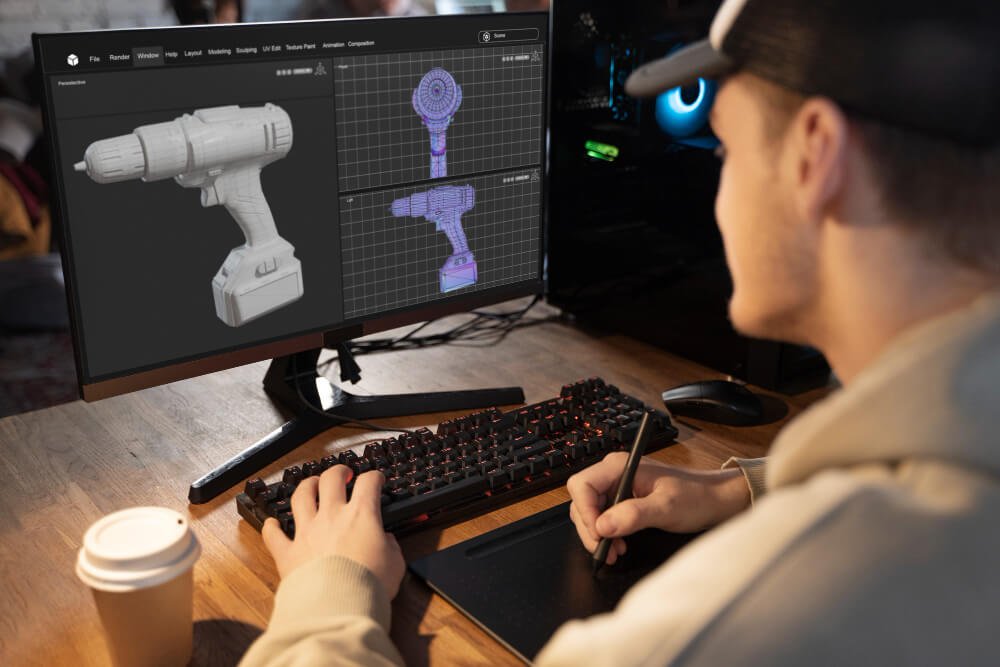
3D animation introduces dimension, realism, and spatial depth. Products, environments, and characters gain tangible presence, enhancing immersion and audience connection. 3D is particularly useful for demonstrating complex mechanisms, architectural designs, or simulations where perspective and motion are critical. Beyond functional demonstration, 3D also allows for cinematic storytelling, leveraging lighting, camera angles, and textures to evoke emotion. When executed with precision, it transforms abstract or complex ideas into visually impactful experiences that resonate deeply with viewers.
Whiteboard Animation for Conceptual Clarity
Whiteboard animation combines hand-drawn illustrations with sequential storytelling. It excels at simplifying abstract or technical concepts by visualizing ideas step by step. The style encourages engagement through progression and reveals, making complex subjects digestible. Whiteboard animation is particularly effective for educational content, training materials, and internal communications where comprehension is the priority. Its approachable aesthetic also fosters a sense of connection, making audiences feel guided through the narrative rather than being presented with information passively.
Aligning Style with Narrative Goals
Selecting an animation style begins with understanding the story’s intent. 2D works best for clear, concise, and stylized communication. 3D brings realism and depth, ideal for immersive or product-driven storytelling. Whiteboard emphasizes process and explanation, perfect for conceptual clarity. By aligning the animation medium with the narrative objective, creators ensure that viewers grasp information intuitively, maintain attention, and form lasting impressions. Each style can be adapted to reinforce brand identity while enhancing message retention.
Engagement Through Visual Dynamics
Animation style directly influences engagement. 2D offers motion-driven emphasis on critical points, 3D captivates with realism and visual richness, and whiteboard engages through unfolding sequences and illustrative clarity. Choosing the right medium ensures that viewers remain attentive and emotionally connected throughout the story. Motion, pacing, and visual hierarchy must complement the chosen style to maximize both comprehension and retention.
Cost, Time, and Production Considerations
Practical factors often guide style selection. 2D animation typically requires less production time and resources, making it cost-effective for frequent content needs. 3D demands higher technical resources, detailed modeling, and rendering time, but delivers immersive, premium-quality visuals. Whiteboard animation offers an efficient balance, providing clarity and engagement with moderate production effort. Understanding these considerations allows teams to make strategic choices without compromising quality or storytelling impact.
Hybrid Approaches and Innovation
Many contemporary projects combine elements of multiple animation styles to maximize impact. 2D overlays on 3D environments, or whiteboard sequences integrated with 3D product visuals, expand creative possibilities. Hybrid approaches allow storytelling to adapt to audience expectations while emphasizing the strengths of each medium. Innovation in blending styles also keeps content fresh and engaging, encouraging viewers to explore, understand, and connect with the narrative more effectively.
Future-Proofing Storytelling Choices
The choice of animation style should also anticipate evolving platforms and audience behaviors. Mobile-first viewers, social media audiences, and interactive experiences demand flexible and adaptable animation solutions. Selecting a style that can evolve with trends, integrate with emerging technologies, and retain clarity across screens ensures that content remains relevant, engaging, and effective over time.
Conclusion: Strategic Animation Selection
The decision between 2D, 3D, and whiteboard animation extends beyond aesthetics—it shapes the way ideas are perceived, understood, and remembered. Each style offers unique advantages depending on complexity, narrative goals, and audience expectations. By analyzing story objectives, engagement strategies, and practical considerations, creators can select the most effective animation medium to convey meaning with clarity and impact. Thoughtful animation choice ensures that stories resonate, messages stick, and audiences connect with both content and brand.